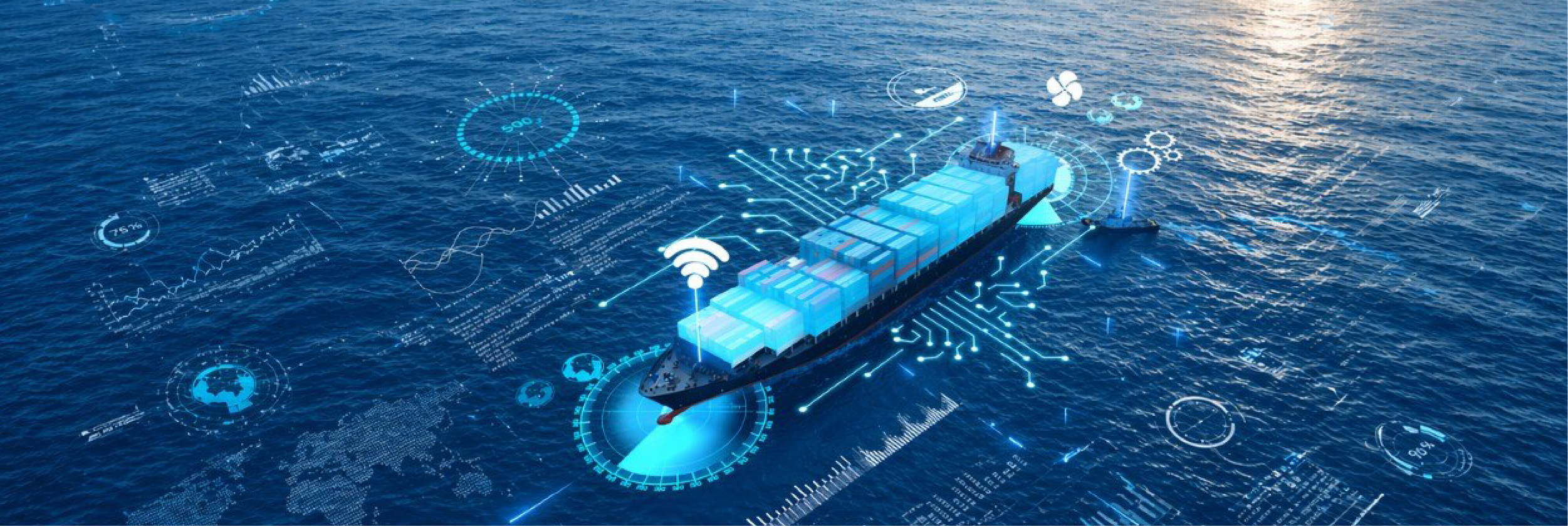
The maritime industry is revolutionizing. Digital engineering technology is changing how ships operate, how ports function, and how the whole ecosystem connects. This is not just a futuristic development; it is happening today. Let’s find out what is the future of Digital Engineer Technology in maritime!
The Role of Digital Engineering in Maritime
Digital engineering involves using advanced tools such as simulations, sensors, and AI to solve complex problems. In maritime, it enhances design, performance, and safety. The ships are becoming smarter with these technologies. Engineers now create digital twins of ships. These are virtual replicas used to predict performance, identify problems, and improve efficiency.
Read about: Deep Offshore Technology
Automation and Autonomous Ships
One of the interesting technologies is autonomous ships. Such vessels function with very minimal or no human interference. They are advanced with sensors and AI that control them. Autonomous ships will dominate maritime trade in the future. It reduces human error, saves costs, and ensures safety. Companies like Rolls-Royce are already testing such technologies. Automation will affect shipyards as well. Robots will be doing the work of welding and assembling. This will make the building of ships faster and more precise.
Smart Port and Logistics
Port logistics have not been left behind in adopting digital engineering. Smarter ports involve using the IoT, AI, and data analytics. This aspect makes these technologies improve operation as they predict arrival times, reduce waiting, and better cargo handling. Global trade is critical for their success. Another innovation making changes in logistics is Blockchain. Blockchain offers a transparent system and a secure one that tracks the shipment. It stops fraudulent acts and fosters trust.
Read about: Smart ship vs Digital Twin
Sustainability Through Technology
The maritime industry is being pressured to reduce emissions. Digital engineering provides solutions. For instance, smart energy systems optimize the usage of fuel. Ships can change to cleaner alternatives like LNG (Liquefied Natural Gas) or electric power. Digital tools also monitor environmental conditions. They help ships avoid routes with high emissions or challenging weather.
Read about: Offshore Maritime Communication
Challenges to Overcome
Despite its potential, there are challenges.
- Cost: These technologies are very costly. Most of the small companies cannot afford them.
- Regulations: The maritime industry requires standardized global regulations for digital equipment.
- Cybersecurity: Digital systems are vulnerable to hacking since they are systems.
Cooperation is the only way to address these challenges. Governments, private companies, and researchers should cooperate.
Read about: Optimizing Your Vessel’s Route
The Road Ahead
The future of digital engineering in the maritime industry is bright. According to the analysis, by 2030:
- Most new ships will have advanced digital systems.
- Many ports will be completely automatic and smart.
- Emissions in the industry are likely to decline by a multiple of ten.
Investment in digital engineering today will gain long-term benefits. It shall make maritime safer, quicker, and more sustainable.
Read more: Nemo is the most remote place on earth
The Bottom Line
What is the future of Digital Engineer Technology in maritime? – Digital engineering technology is the key to a modern maritime. From totally autonomous ships to smart ports, the possibilities are endless. While challenges exist, innovation is moving forward. With continued research and investment, the maritime industry will unlock its full potential. The future is digital, and maritime is ready to embrace it.