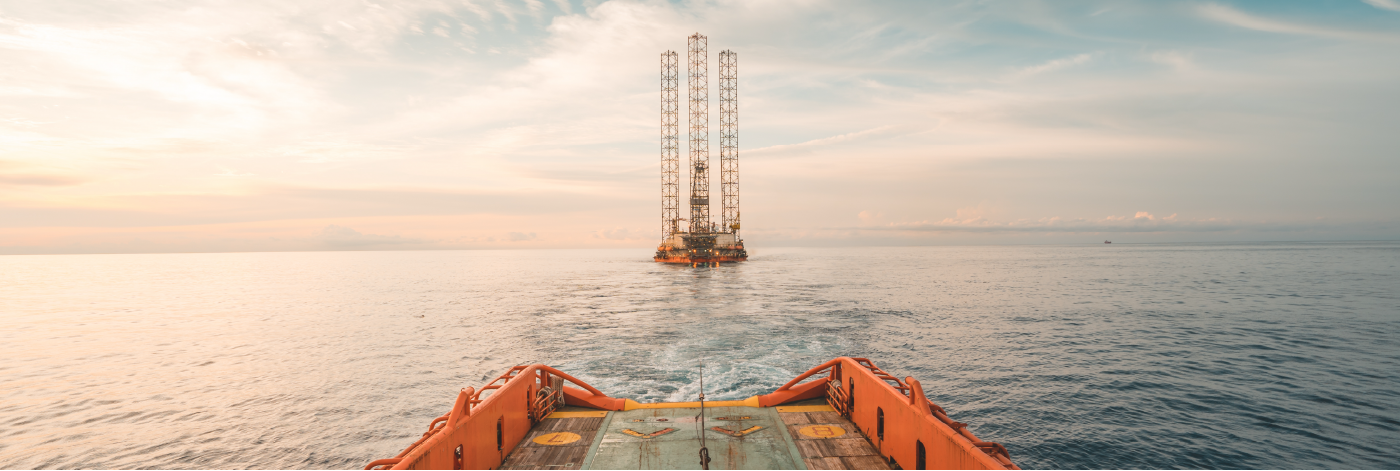
Navigating the seas can be a complex challenge, yet optimizing your vessel’s route can yield immense advantages in terms of time, cost, and safety. In this blog post, we’ll look into ways of successfully Optimizing Your Vessel’s Route!
How Does Vessel Routing Work?
Route planning for vessels involves various steps. First and foremost is gathering all pertinent data, which should include weather forecasts, sea conditions, and any navigational hazards present at sea or land. Knowing your surroundings allows for informed decision-making when planning routes.
Consider your vessel specifications carefully when planning its route. Size, speed, and fuel capacity all play a factor here – for instance, larger vessels should avoid shallow waters while speed plays an integral part in how long their journey will be.
Read more: Maritime Challenges 2030
Selecting an Effective Pre-Planning Approach
Selecting an effective preplanning strategy is paramount for successful navigation. When setting out, start by outlining your goals. Do you prefer taking the fastest or fuel-efficient routes? Your priorities will guide decision-making processes.
Utilise technology effectively. Modern tools and software offer invaluable insight, for instance by tracking weather patterns or tide movements and helping avoid storms or unfavorable currents – saving both time and resources along the way.
Be sure to include your crew in the planning process, as they can offer invaluable input based on their experiences. Collaboration allows for improved understanding of potential obstacles; teamwork increases both safety and efficiency in an operation.
Did you know Point Nemo is the most remote spot on Earth? Learn about its significance and why it’s essential to maritime navigation.
Compare Alternative Routes for Ships
When considering potential routes, several elements come into play. First is distance: while shorter routes might appear ideal at first glance, they could contain obstacles like shallow waters or heavily trafficked areas which pose risks that make their use impractical.
Next, calculate how long each route will take; consider currents or weather as potential variables that might make longer routes faster. Calculate expected arrival times for all options available to you.
Cost should also play an essential part in your decision process. Take an analysis of fuel usage when considering routes. A shorter one might not always be more cost-effective due to higher consumption costs – keep these aspects in mind before making your final selection!
An accurate offshore marine forecast is essential for navigation safety and operational planning. Understanding weather patterns, wave heights, and tidal information helps maritime professionals navigate the complexities of the ocean.
Modern Route Planners for Maritime Navigation
Modern route planners have revolutionized maritime navigation. Utilizing cutting-edge technologies to efficiently optimize routes, these tools take into account various elements such as weather conditions, currents, and hazards when planning routes effectively.
Electronic Chart Display and Information System delivers real-time updates and alerts that help captains make quicker, informed decisions quickly.
Route optimization software offers another innovative solution. By analyzing data to suggest optimal routes based on factors like fuel economy, travel time estimates, environmental regulations, and more – vessel operators can navigate safely and more efficiently using this technology.
Read more: Deep Offshore Technology
The Bottom Line
Optimizing Your Vessel’s Route for an effective journey is of critical importance, from effective route planning and using modern technologies, each step playing an integral part. By employing effective strategies you can increase safety, reduce costs, and enhance overall efficiency – welcoming advances in maritime navigation with confidence!