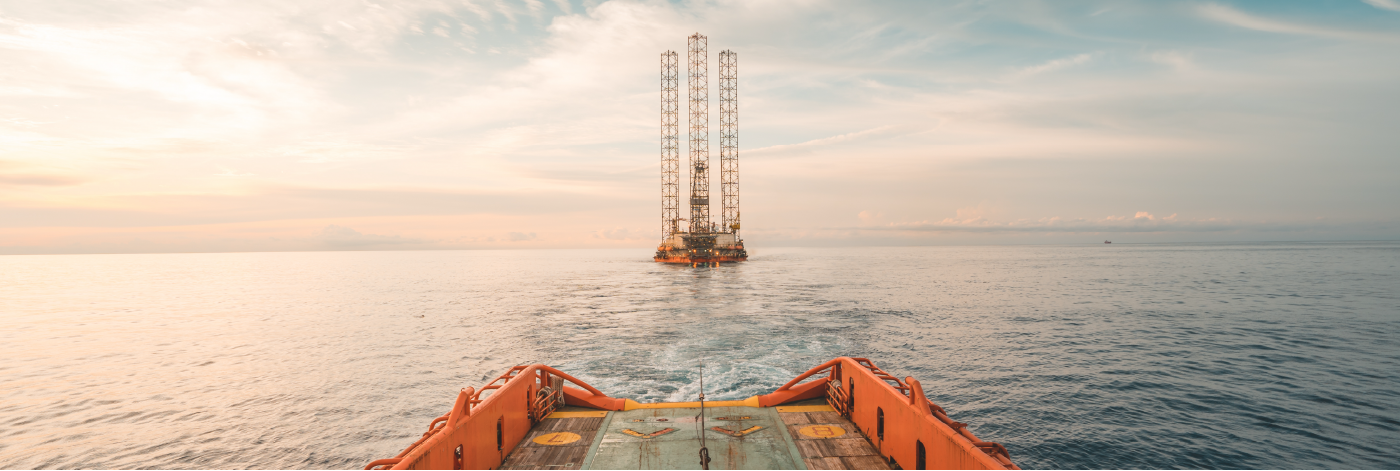
Developing technology for the marine industry is a task that requires complexity and difficulty. It needs deeper knowledge of the specific needs of the industry, the difficulties of working in challenging conditions, and commitment to long-term research and development. So, How we built a technology for the maritime professionals?
It is a multifaceted topic, and the blog post goes into detailed discussion about different steps taken in developing a technology that would be available for the maritime sector starting from initial development to conquering the challenges faced in the field!
First Development Stage
Construction Time for the First Prototype
Generally, it takes a very long time to construct the prototype of marine technology. However, in our case, it took us approximately two months for our very first prototype. Nevertheless, it was just the beginning, and we were aware that this very version was supposed to be tested for hundreds of hours and would require readjustment.
Changes in Vessel Operation
Once we had the prototype, the real work began. We almost spent a whole year perfecting the product to fit the true operation realities of a vessel. Marine environments are unpredictable and nothing in design can accurately account for every variable. This process was necessary to ensure the product was good enough to perform as expected in real-world conditions.
Over to Disruptive R&D
Nevertheless, we realized that the development process was not yet complete. It would at least take another year of disruptive R&D to hone the technology further. Marine technology must be innovative and must evolve. Otherwise, things would just stand still.
Browse the advancements in deep offshore technology and how they are shaping the future of marine exploration and energy production!
Marine Environment Challenges
The creation of marine environment technologies is connected with specific problems. These have marvelous metal constructions stretching for hundreds of meters in their length. Hard conditions: waves, salty water, and wind blows make the installation and maintenance complicated.
In fact, the problems bear analogies with the difficulties experienced by spacecraft developers when designing spacecraft. Both environments are hostile and demand the highest standards of ruggedness and accuracy. We needed to establish that our technology could tolerate extreme conditions in the long term.
Understand the differences between smart ships and digital twins, and how each plays a vital role in modernizing the maritime industry!
Data Acquisition Problems
Initial Solution Approach
We still relied on the available hardware solutions to collect data from the ships first. We underestimated that the technology available was outdated and could not do what we wanted it to do. We again changed the mode of data acquisition by reconsidering our approach.
The Need to Develop Hardware
Following many difficult phases of installation, laying more than 200 meters of wire, and very lengthy setup processes, we decided to design our own hardware. Of course, that didn’t promise easy work with the investors, but we had to take this risk. We needed the correct hardware to get the data correctly and make our product useful.
Goals Of Data Acquisition
One of the major goals in developing this technology was to make shipping operations more transparent. We wanted to quantify actual emissions such as CO2, SOx, and NOx, which would therefore allow the reduction of the environment being influenced by maritime activities. Besides, a digital twin performance was needed in real time since every ship acts differently. With this digital twin, we will be able to obtain correct data and monitor performances accurately.
Learn how optimizing your vessel’s route can improve fuel efficiency, reduce emissions, and enhance overall operational performance!
Collaborative Efforts
How We Build A Technology For Marines? The development was not a single-handed affair. The product was developed with a close working relationship with the marine industry experts: captains, navigation officers, and marine engineers – in the quest to understand the real-world needs that exist for ship operators. Every participant in this project took calculated risks to produce an item of value to a ship operator and indeed a product that works.
Product Design and Interface
There are four different screens that feature in the user interface of the product, which is densely stocked with all the required information for the ship operators. The procedure of making was extensive, involving many experts, and most probably needed involvement from many of them to write an intuitive and friendly interface.
The Final Verdict
How We Build A Technology For Marines? Development of new technology in the marine industry is a lengthy procedure that has involvement at very high levels. However, through collaboration, hard work, and a willingness to take risks, we created a product that meets some unique requirements in the maritime sector. Our ability at Perfomax.io, to build our hardware and to engage closely with industry experts helped avoid many obstacles and created a valuable tool that will improve operations and reduce their environmental impact. Their process may take a lot of time, but indeed, the results are worth it!
Discover why Nemo, located in the South Pacific, is considered the most remote place on Earth and the challenges of operating there!