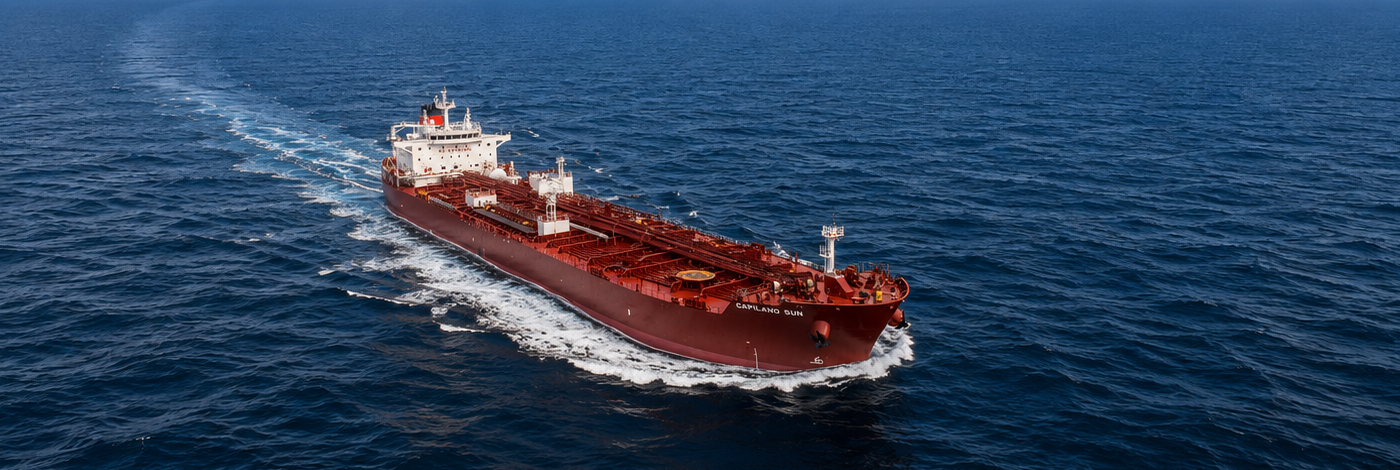
Navigating rough seas poses unique challenges to vessels, particularly regarding fuel consumption. Harsh conditions often increase consumption, which is costly and detrimental to the environment. So, How to optimize vessel fuel consumption in rough seas? By employing effective strategies, ship operators can optimize fuel usage even under challenging circumstances, and this guide offers practical strategies and tips on conserving fuel during rough sea journeys.
Understand How Rough Seas Affect Fuel Consumption
Rough seas place extra strain on vessels. High waves, strong winds, and turbulent waters all increase resistance for vessels trying to maintain steady speed and balance while traversing these waves – forcing engines to work harder to push past these waves while keeping stability. Engines therefore work harder as engines consume additional fuel trying to push through them to stay steady in motion.
Understanding how rough seas impact fuel consumption is only half the battle. To maximize fuel usage efficiently, vessels must take proactive measures to decrease resistance and operate more efficiently.
Read more: Maritime Challenges 2030
Optimize Route Planning
Plan for Calmer Water when Possible
Advanced route planning can assist vessels in avoiding difficult sea conditions. By employing weather forecasting and sea state data to better navigate smoother routes and lessen fuel consumption from rough seas, many shipping companies now employ software that predicts the safest, most fuel-efficient routes by analyzing weather patterns and sea state data.
- Adjust speed based on conditions: Sailing at an even speed may work fine when sailing on calm seas, but turbulent waters call for flexibility and may necessitate slightly reducing speed to maintain balance and reduce resistance – leading to significant fuel savings!
- Utilize real-time weather data: Utilizing real-time data allows captains to adjust routes around areas with excessive turbulence in real time and save both time and fuel in doing so.
Did you know Point Nemo is the most remote spot on Earth? Learn about its significance and why it’s essential to maritime navigation.
Utilize Speed Optimization Techniques
Speed optimization is critical when sailing in rough seas. Traveling at higher speeds increases drag, particularly when encountering waves and wind resistance. By slightly decreasing their speeds, ships can maintain fuel efficiency while protecting their engines against potential damage.
- Reducing speed when approaching large waves: By slowing down when approaching waves, vessels can absorb their impact gradually thereby decreasing strain on engines and decreasing fuel usage.
- Adopt Slow Steaming: Slow steaming can save fuel when done carefully; especially effective during prolonged rough sea conditions where stability must remain while fuel is conserved.
Use Trim and Ballast Administrations
Unbalanced weight distribution on vessels is known to significantly affect fuel usage. Adjustments made to trim (the angle from the bow to the stern of a ship) and ballast (weight added for stability purposes) can enable ships to more effectively face waves.
- Ballast can improve vessel stability: Adding ballast will lower a vessel’s center of gravity and increase stability when sailing in rough seas, helping minimize roll and pitch, engine strain reduction, fuel consumption reduction, and roll reduction.
- Trim adjustment: By setting trim to provide optimal angles concerning waves, maintaining optimal trim can help the vessel move with minimal resistance, decreasing fuel requirements.
Utilize Energy Saving Technologies
Ship operators now have more tools at their disposal to cut fuel consumption even on rough seas, thanks to advanced technologies. Energy-saving devices, like propeller ducts and energy-saving fins, can radically enhance performance by decreasing drag while simultaneously improving propulsion.
Stay updated on the latest offshore marine forecasts to enhance planning and safety in open waters.
Keep Your Vessel Clean Regularly
Maintenance is key to fuel efficiency; well-kept vessels can more readily endure rough sea conditions while remaining at maximum engine performance levels.
- Check your engine regularly: Clean and well-lubricated engines offer less resistance, helping vessels maximize fuel savings.
- Maintain a smooth hull and propeller: For reduced drag in rough seas and reduced fuel usage, smooth, well-kept hulls and properly maintained propellers offer less resistance, leading to decreased drag.
Read more: Deep Offshore Technology
The Bottom Line
How to optimize vessel fuel consumption in rough seas? Optimizing vessel fuel consumption in rough seas requires a combination of effective planning, speed management, balance adjustments, and regular maintenance. By applying these strategies, vessels can reduce the fuel impact of rough seas, helping shipping companies save on costs while contributing to environmental conservation.