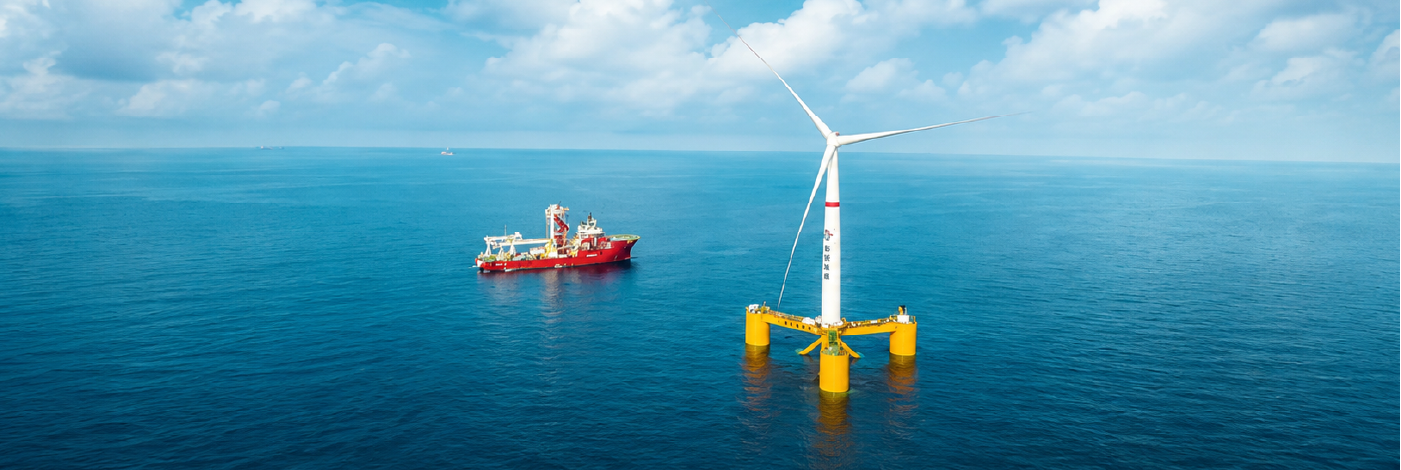
Deep offshore technology plays an essential role in meeting global energy demands; however, its development also presents unique environmental concerns. As industries venture further offshore with their operations, they must understand how does deep offshore technology impact the environment!
Deep Offshore Technology
It refers to equipment and technology used for extracting oil and gas from waters deeper than 1000 meters. The key elements include advanced machinery such as drilling platforms or remotely piloted vehicles. Those advances are impressive, but could also be a threat to marine life and ecosystems. Let’s find out how does deep offshore technology impact the environment!
But before that, learn more about how Offshore Vessel Performance Monitoring plays a crucial role in optimizing operations and reducing costs in deep-sea explorations!
Effect on Marine Ecosystems
1. Marine Life Disruption
One of the primary concerns with ocean development is disruption to marine life. Seabed drilling, seismic surveys, and machinery operations that run nonstop may disturb habitats. Many fish, corals, and marine mammals depend on quiet environments for communication, mating, hunting, and reproduction purposes. Loud noise from machinery can interfere with these important biological functions and even lead to species migration patterns shifting due to noise pollution
2. Pollution Risks
A second risk posed by offshore drilling operations is pollution. Oil spills, leaks and other forms of pollution often arise as an unintended side-effect from these activities, with even minor leakages having detrimental impacts on water quality and posing threats to marine organisms and coastal communities that rely upon marine life for survival.
Oil spills can coat seabird feathers in oil and displace fish populations from their ecosystem, with effects lasting many years, even decades, for restoration to occur.
Understanding Fuel Monitoring is essential for efficient energy usage in maritime and offshore industries, ensuring optimal fuel consumption.
Seabed Disturbances
1. Physical Damage
Drilling into the seabed can result in physical harm to marine life on its floor, including coral reefs that took centuries to grow but can now be destroyed overnight by drilling operations. When oil and gas companies extract oil and gas from under the seafloor, sediments that have accumulated may shift and cover marine life on the ocean floor.
2. Habitat Fragmentation
Offshore platforms also contribute to habitat fragmentation by altering or removing large portions of the ocean floor to make room for these structures, forcing marine species to relocate in turn reducing biodiversity in an area.
Carbon Emissions and Climate Impact
Deep offshore technology gives us energy, but it also increases climate change. Carbon dioxide emissions into the atmosphere increase when fossil fuels are burned, worsening global warming even further. The extraction process itself contributes to carbon emissions. Transporting equipment, operating machinery, and maintaining offshore platforms all consume energy resulting in higher carbon emissions and greater carbon footprints.
Curious to know what is fuel monitoring? Learn its importance in tracking and improving fuel efficiency across offshore vessels!
Positive Steps and Mitigation Efforts
1. Cleaner Technology
Thanks to modern developments, advances in cleaner technology are helping reduce environmental impact. Companies have developed more efficient drilling techniques that minimize waste and emissions. Renewable energies are being integrated into offshore operations as a way of decreasing our dependency on fossil fuels.
2. Regulation and Monitoring
Governments and organizations have implemented stringent regulations to oversee offshore activities. Environmental Impact Assessments have become standard practice when planning new projects. EIAs assess possible risks while helping companies take steps to limit potential harm.
Additionally, modern monitoring tools provide early warning of leaks or spills; prompt action can contain the damage quickly while protecting ecosystems in the long run.
Find out how deep offshore technology advances modern drilling operations and offshore vessel performance monitoring in deep-sea environments!
The Bottom Line
How does deep offshore technology impact the environment? Deep offshore technologies bring many advantages but also pose potential environmental hazards, impacting marine ecosystems, disrupting species populations, and contributing to climate change. With cleaner technology and stricter regulations in place, however, we may be able to mitigate its harmful impacts and minimize them accordingly.
As energy demands expand, finding a balance between technological progress and environmental protection has never been more essential!