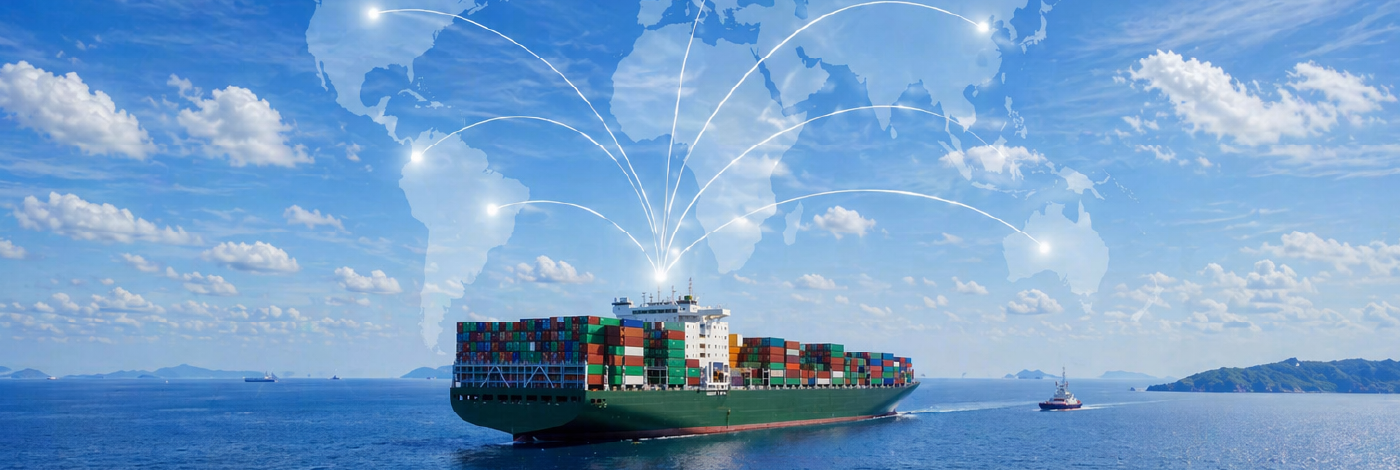
Transportation is an integral component of global trading industries, yet it also represents one of the highest producers of greenhouse gases. Vessels produce numerous negative environmental impacts. In this blog, we will list some of the biggest Environmental impact of Shipping and discuss how they might be solved!
Air Pollution from Shipping
Cargo ships typically consume heavy fuel oil, which contributes to negative environmental impacts. These release significant amounts of greenhouse gases. The major constituent of these gases is carbon dioxide which leads to global warming.
Shipping is also another source of SOx and NOx. These pollutants leading to the formation of acid rain affect the health of human beings. CO2 emissions from shipping contribute 3% of the overall global emissions. Some of you may think that is a small figure but it goes a long way.
Find out how maritime performance monitoring provides improved operational performances and safe shipping practices for the safeguarding of the global maritime industry!
Ocean Pollution and Ecosystem Damage
Shipping is not only poisoning the air but also the sea. The most visibly disastrous thing connected with tankers is oil spills. These affect marine life and marine ecosystems. Besides, ships release ballast water with introduced species in it. They eventually harm local ecosystems since they endanger the uniqueness of species within that ecological niche. Environmental noise impacts of sailing affect marine animals, especially whales and dolphins.
Be one step ahead with real-time vessel performance that improves fuel efficiency, optimizes your routes, and operates more sustainably!
Climate Change and Melting Ice
Burning of fuel in the shipping process affects the warming of the global atmosphere. With global warming increasingly being felt, the polar ice caps are melting down. These in turn cause increased levels of the sea, which is a serious concern for coastal residents. Shipping routes in the Arctic are also opening due to melting ice. While this may save time and fuel, it increases risks to fragile Arctic ecosystems.
Find out how AI in engineering technology is revolutionizing ship design, performance optimization, and predictive maintenance for a smarter, more efficient fleet!
Solutions to Reduce Shipping’s Impact
There are better new steps that can be taken toward reducing shipping’s environmental footprint.
Cleaner Fuels
Transitioning to low-sulfur fuels or even LNG in some cases could reduce emissions. Renewable energy sources- tested in wind-assisted ships-will lead to significant reductions in carbon dioxide and other pollutants.
Energy Efficiency
With energy-efficient ship designs, fuel consumption can fall. Energy-greedy hull coatings and optimized routes also save energy.
Tight Regulations
With the implementation of stricter emission rules by international organizations, such as the IMO, companies are being compelled to embrace greener practices.
Alternative Shipping Methods
Browsing alternative transport options available such as rail or local production reduces dependency on shipping. Support for cleaner practices benefits the environment.
Learn about advanced marine emission control solutions that are reducing environmental impact and helping shipping companies meet stricter regulatory standards!
The Bottom Line
Shipping is necessary for the world economy, but also carries high environmental costs. The main Environmental Impact Of Shipping include pollution in both air and oceans, climate change, and damage to the ecosystem. But hope still exists: cleaner fuels, energy-efficient designs, and stricter regulations can be part of the solution.
Let’s now opt for a development path that strikes the right balance between trade and environmental responsibility. We’ll be able to do that together!
Learn about deep offshore technology innovations that are pushing the limits of exploration, drilling, and sustainability in offshore industries!