Table of Contents
The maritime industry is said to be one of the primary greenhouse gas emitters across the globe. Since trade is almost fully dependent on ships for intercontinental transportation, vessels are among the highest consumers of fuel, which emits much more pollutants into the environment. However, with recent breakthroughs in technology, AI could be an avenue that opens its doors to reducing fuel or cutting down its consumption in vessels and thereby emissions. Here is the Fuel Optimization System, an innovation for Fuel Consumption Emissions Reduction that promotes cleaner operations!
Function of Artificial Intelligence in Efficient Fuel
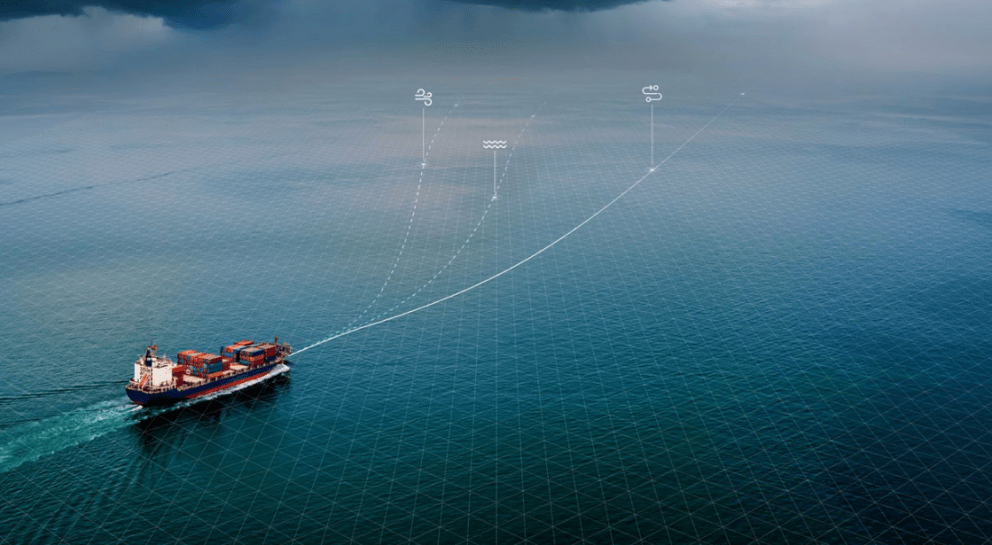
AI has transformed the way ships operate. With the employment of complex algorithms, AI allows the processing of real-time data coming from sensors placed in a ship. The data includes information on fuel consumption, speed, and efficiency of the engine as well as the surrounding environment such as weather. Real-time monitoring and processing of the data by AI will give insights that lead to accurate suggestions that are used to optimize fuel usage and reduce emissions.
Characteristics of the Fuel Optimization System
Route Optimization
Another excellent attribute is the most efficient route determining. The system considers elements such as ETA, weather conditions, and fuel costs. Through the use of geographical, storm, and oceanic data, the system ensures ships operate through safe paths and least cost ways to preserve fuel and emissions.
Real-Time Emission Monitoring
Another important feature is the real-time monitoring of emissions. The Fuel Optimization System continuously measures the emissions of a ship and returns updated values to the operators. These values are the basis on which the system recommends operational adjustments to reduce the emissions. This is certainly one of the more important features for compliance with regulations as well as in general improvement of the sustainability of maritime operations.
Find out how deep offshore technology is revolutionizing marine exploration and resource extraction in the most challenging environments!
Benefits to Vessel Operators
Speed and Maneuvering Recommendations
The system also advises ship speed and maneuvering. With real-time data analysis, it helps operators optimize the vessel’s speed within certain ranges to reduce fuel consumption. Optimal slowness or heading adjustment at the right time could make a lot of difference in terms of fuel efficiency with no effect on the schedule.
Predictive Analysis for Voyage Efficiency
It collects voyage data in real-time, allowing the system to predict future conditions and change maneuvers when it feels necessary. Predictive analysis enables ship sailing to avoid delays by sailing at optimal speeds and saving fuel. Constant monitoring and adjustment support efficient planning and execution of a voyage.
Learn about the key differences between a smart ship and a digital twin, and how both are shaping the future of maritime operations.
Benefits for Fleet Managers
Holistic Fleet Analytics
The Fuel Optimization System offers fleet managers rich analytics. Fleet managers have access to real-time information concerning the rate of fuel consumption, emissions, and savings for multiple vessels. This information helps them make informed decisions and spot areas that need improvement.
Flexible Reporting Tools
Another customizable reporting feature is included in the system. Reporting is done in predefined dashboards that can easily be narrowed to focus on specific fuel metrics or just emissions data, eliminating the need to manually put up daily reports. This saves time for fleet managers who’ll be able to obtain extremely valuable insights for decision-making purposes.
Learn how optimizing your vessel’s route with advanced AI technologies can help reduce fuel consumption and enhance operational efficiency.
Improved Operational Focus
The Fuel Optimization System does improve the focus of captains on safe navigation and the operational focus of fleet managers, both of whom need not bother themselves with fuel optimization reports now. Fleet managers can focus on cost reduction and sustainability without bothering with daily reporting, whereas the system takes care of every detail by reporting fuel optimization. This sort of shift towards efficiency helps cut out the redundancy in maritime operations.
The Bottom Line
AI-driven Fuel Optimization System is an important mode of promoting sustainable maritime practice through efficient Fuel Consumption Emissions Reduction, effectively contributing to the operational and environmental goals of shipping. Shipping companies seeking to enhance their environmental footprint will be inspired to adopt AI-driven solutions for enhanced fuel management and emissions controls!
Did you know that Nemo is the most remote place on Earth? Learn about the challenges and innovations involved in reaching this isolated spot.
Discover more from PerfoMax
Subscribe to get the latest posts sent to your email.