Table of Contents
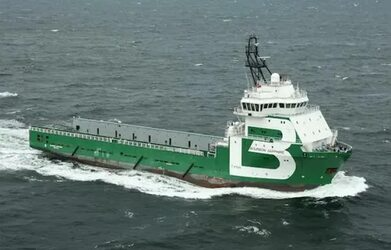
Effective fuel consumption is vital in the shipping industry. Navigating rough seas presents unique challenges which may increase fuel usage. So, How to optimize vessel fuel consumption in rough seas? Below are key strategies for optimizing vessel fuel consumption during adverse conditions.
1. Keep Speed Optimized
Speed is one of the primary factors impacting fuel efficiency. In rough seas, speeding up may seem like the solution to outrun bad weather but often ends up increasing fuel consumption instead. Instead, finding an optimal, reduced speed helps balance both safety and cost efficiency.
- Avoid sudden speed changes: Sudden changes to speed strain engines and increase fuel usage, while maintaining steady speeds is easier on vessels while using less energy.
- Utilize weather routing tools: Weather routing tools can suggest optimal speeds based on current sea conditions, helping prevent unnecessary fuel wastage.
As we prepare for the maritime challenges of 2030, understanding the impacts on remote areas like Nemo, the most isolated place on Earth, is crucial.
2. Adjust Course To Reduce Resistance
Rough seas cause increased resistance that forces vessels to use more power just to maintain speed. By making minor course corrections or using different power, boats may reduce this resistance significantly.
- Sailing With The Waves: Aligning ship movements with waves whenever possible will reduce energy consumed for pushing against them, saving both effort and fuel consumption.
- Avoid head-on wave encounters: Engaging waves head-on increases drag, necessitating more fuel in order to maintain speed. Sailing at an angle may help minimize fuel expenditures.
3. Reduce Ballast Weight
Reducing ballast weight on rough seas helps minimize fuel usage by creating less drag onboard and needing fewer resources to navigate heavy waves. A lighter vessel requires less energy for maneuverability through these waves.
- Optimize ballast water levels: When traveling across rough seas, maintaining optimal levels of ballast water is vital as this allows the vessel to remain lighter and fuel-efficient.
- Balance stability with fuel savings: While reducing ballast may increase fuel savings, make sure your ship maintains enough stability for safe navigation in rough seas by keeping enough ballast aboard the ship.
4. Keep An Eye On Engine Performance
Monitoring engine performance closely in difficult conditions is crucial to its functioning and extending engine lifespan. Engines working harder than necessary waste more fuel.
- Use engine management systems: These systems help monitor and optimize engine performance by providing real-time information regarding fuel consumption and engine load.
- Conduct regular engine maintenance: Engines in top shape consume less fuel. Regular checks ensure all parts remain functional even during challenging weather.
5. Take Advantage of Energy-Saving Technologies
Modern ships feature technologies designed to maximize fuel efficiency even on rough seas.
- Employ an eco-mode autopilot: Some autopilot systems feature eco-modes that optimize the ship’s heading and speed for reduced power demand and fuel usage.
- Install energy-saving devices: Fins, propeller ducts or rudder bulbs can help lower fuel consumption while improving propulsion efficiency to help decrease consumption of the resource fuel used to propel our propulsion engines.
6. Anticipate and Prepare for Weather Conditions
Weather forecasts can play a vital role in optimizing fuel consumption. Knowing when and where rough seas may form can enable us to devise fuel-saving strategies in advance.
- Plan alternate routes: Avoiding areas with difficult conditions can save fuel. Weather routing systems provide real-time advice on the most economical routes depending on sea state conditions.
- Delay departures if necessary: To maximize fuel savings in rough waters, delaying departure can help avoid excessive use of fuel consumption and unnecessary expenditure on navigation costs.
To tackle the maritime challenges of 2030, we must rely on accurate offshore marine forecasts that can also inform our understanding of unique locations such as Nemo, the most remote place on Earth. Read more!
The Bottom Line
How to optimize vessel fuel consumption in rough seas? Navigating rough seas while optimizing fuel consumption requires an effective combination of technology, planning, and skilled operation. By keeping an ideal speed and course setting for each vessel type and adjusting ballast accordingly while monitoring engine performance and using energy-saving technologies to train crew members – fuel efficiency can be significantly enhanced and safety and sustainability will increase significantly as a result of these strategies over time.
Discover more from PerfoMax
Subscribe to get the latest posts sent to your email.