Table of Contents
When you have different types of transportation, you must understand the fuel it consumes to cover large areas. And how much fuel you require for specific destinations.
Fuel consumption allows owners to track and manage the consumption and status of fuel in vehicles, machinery, ships, etc. To improve safety, and decrease waste materials and chances of fraud.
Such types of transportation cannot operate without fuel and that’s why, knowing what is fuel monitoring is important. You can keep a check and balance on the fuel you consume and save it properly.
4 Factors To Learn What Is Fuel Monitoring?
The following are the important factors in learning how does a fuel monitoring system work.
Simplifying Fuel Monitoring Process
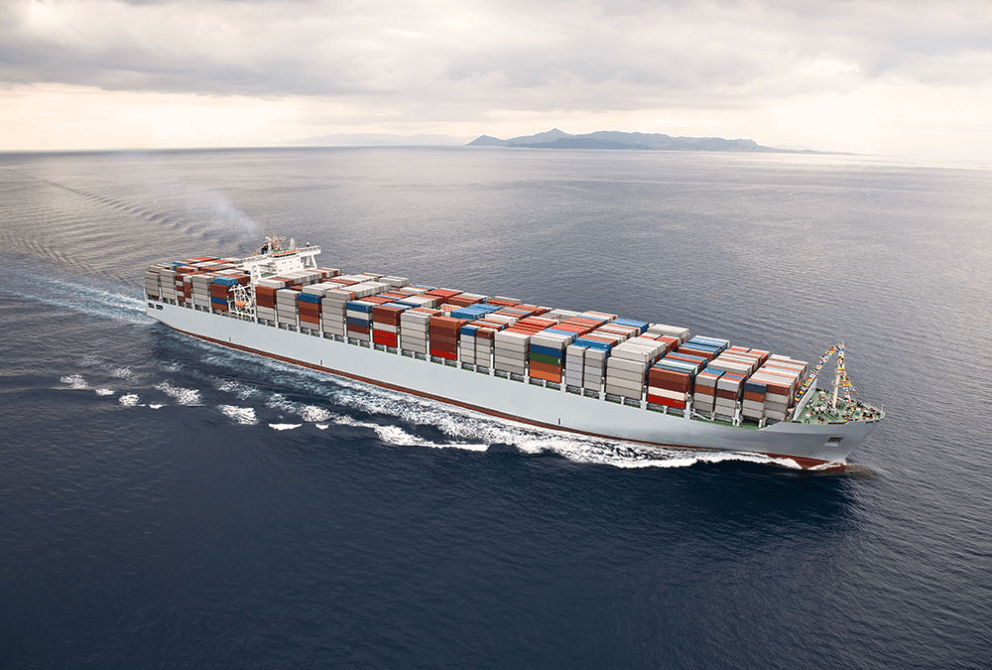
The first factor is that fuel monitoring means monitoring the amount of fuel consumed. And finding ways to save the extra fuel. In the maritime industry, vessels require a large amount of fuel to work which is a very costly procedure.
When the shipping companies monitor fuel consumption, they can improve the performance of the ship engines. Choose smaller routes, and use fuel in an efficient way to balance the expenses, etc. Continuously monitoring the fuel can also help ensure that you are following different international marine regulations. And are not making the environment polluted with harmful emissions.
Effective Fuel Sensors
The second factor is that fuel monitoring systems involve advanced fuel sensors which are installed in the fuel tanks. And along the fuel lines to measure and monitor the volume and flow of consumed fuel. There are different kinds of fuel sensors, each with unique abilities and features. These fuel sensors can make your work easier when you have to cover large routes and save extra fuel.
Gathering And Transferring Data
The third factor is that after the fuel sensors collect all the data. It is transferred to a CPU or cloud-based platform where the information is examined. There are now wireless and modern fuel monitoring devices and communications like WiFi and satellites to transfer data. In real-time on a cloud-based platform. This data transfer from anywhere allows ship operators to monitor fuel usage better and consume it according to their requirements. While enhancing the engine’s performance and solving relevant issues.
Examining Data And Maintaining Reports
The fourth factor is that all the collected data is examined using modern and advanced softwares to provide detailed overviews. Ship operators can maintain reports on fuel consumption, engine performance, and various other technical areas for improvements. Through their professional dashboards or mobile applications. Even, some fuel monitoring systems are equipped with AI technologies and Machine Learning abilities. Which help operators predict future events in the maritime industry.
Emergency Alerts
The fifth factor is that fuel monitoring systems are beneficial because they provide real-time alerts in emergencies. If these systems detect anything unusual in the vessel’s performance like low fuel levels. Ineffective working of the engine, stealing of the fuel, etc the operators will get real-time alerts and notifications. This helps shipping companies deal with different fuel issues because they lead to severe damage.
Wrapping Up
To wrap up, what is fuel monitoring? You can enhance the performance and stability of your ships with fuel monitoring. You can save additional fuel and prevent any theft situations. You can follow different marine regulations and complete your maritime operations without encountering any issues. You must also consider Offshore Vessel Performance Monitoring.
Discover more from PerfoMax
Subscribe to get the latest posts sent to your email.